
Navigating Funeral Shipping Documentation: What You Need to Know

When we find ourselves in the unfortunate position of needing to arrange for the shipping of a loved one’s remains, it is essential to grasp the fundamental aspects of funeral shipping documentation. This process can be overwhelming, especially during a time of grief, but understanding the necessary paperwork can help us navigate this challenging journey with greater ease. Funeral shipping documentation serves as a legal requirement that ensures the safe and respectful transport of human remains, whether domestically or internationally.
The documentation required varies depending on the destination and the specific circumstances surrounding the death. It is crucial for us to familiarize ourselves with these requirements early on, as they can significantly impact the timeline and logistics of the shipping process. By understanding the basics, we can better prepare ourselves for what lies ahead and ensure that we honor our loved ones in accordance with legal and ethical standards. For more information on how we can assist you, View Our Services.
Key Takeaways
Funeral shipping requires specific documentation that varies between domestic and international transport.
Domestic funeral shipping paperwork typically includes death certificates, embalming certificates, and transit permits.
International shipping demands additional documents such as consular mortuary certificates and compliance with import/export regulations.
Collaborating closely with funeral homes and specialized shipping services helps ensure all legal and logistical requirements are met.
Being organized and aware of common pitfalls can prevent delays, with resources available to assist in managing the complex documentation process.
Required Paperwork for Domestic Funeral Shipping

When we are tasked with arranging domestic funeral shipping, there are several key documents that we must gather to facilitate the process. The first and foremost document is the death certificate, which serves as an official record of the individual’s passing. This certificate is typically issued by a medical professional or coroner and must be signed before it can be used for shipping purposes.
In many cases, we will need multiple copies of the death certificate, as various agencies and entities may require their own version. In addition to the death certificate, we must also obtain a burial transit permit. This permit is essential for transporting human remains from one location to another within the same country.
It is usually issued by the local health department or vital records office and ensures that the remains are handled in compliance with state regulations. Furthermore, if we are working with a funeral home, they often assist us in obtaining these documents, which can alleviate some of the stress associated with this process.
Navigating Customs and Import Regulations
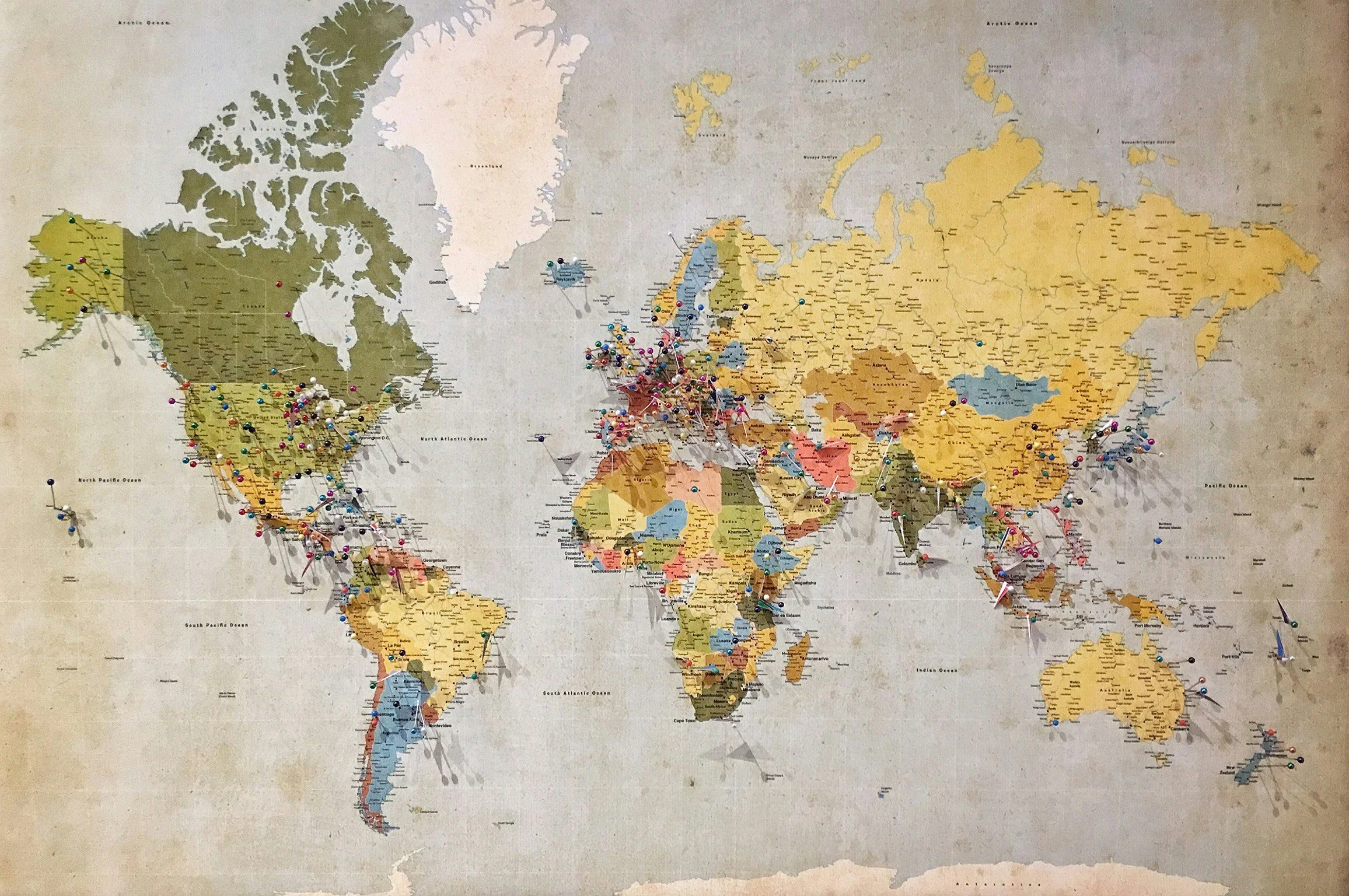
Navigating customs and import regulations can be one of the most daunting aspects of international funeral shipping. Each country has its own set of rules governing the importation of human remains, and failure to comply with these regulations can lead to significant delays or even denial of entry. As we embark on this journey, it is vital for us to familiarize ourselves with both our home country’s export regulations and those of the destination country.
We should also be aware that customs officials may require additional documentation beyond what we have already gathered. This could include proof of relationship to the deceased or specific health certifications. To ensure a smooth process, we can reach out to the consulate or embassy of the destination country for guidance on their specific requirements.
By being proactive and thorough in our research, we can minimize potential obstacles and ensure that our loved one’s remains are treated with dignity throughout their journey.
Working with Funeral Homes and Shipping Services

Collaborating with funeral homes and shipping services can significantly ease the burden of managing funeral shipping documentation. Funeral homes like International Funeral Services of NY III are well-versed in the intricacies of this process and can provide invaluable assistance in gathering necessary paperwork and ensuring compliance with legal requirements. They often have established relationships with shipping services that specialize in transporting human remains, which can streamline logistics and reduce stress.
When we engage with a funeral home, it is important for us to communicate our needs clearly and ask questions about any aspects of the process that may be unclear. They can guide us through each step, from obtaining death certificates to arranging transportation. Additionally, many funeral homes offer packages that include shipping services, which can simplify our planning and help us stay organized during this difficult time.
Tips for Organizing and Gathering Necessary Documentation

As we embark on the task of organizing and gathering necessary documentation for funeral shipping, it is helpful to approach this process methodically. One effective strategy is to create a checklist of all required documents based on whether we are shipping domestically or internationally. This checklist can serve as a roadmap, ensuring that we do not overlook any critical paperwork.
We should also consider designating a specific folder or binder to keep all documents organized in one place. This way, when we need to present paperwork to authorities or shipping services, everything is readily accessible. Additionally, making copies of each document can provide us with backups in case anything gets lost or misplaced during transit.
By staying organized and proactive, we can alleviate some of the stress associated with this process.
Common Pitfalls and How to Avoid Them

While navigating funeral shipping documentation, there are several common pitfalls that we should be aware of to avoid unnecessary complications. One frequent issue arises from incomplete or inaccurate paperwork. It is essential for us to double-check all documents for accuracy before submission, as even minor errors can lead to delays or rejections from authorities.
Another common pitfall is underestimating the time required to gather necessary documentation. We may find ourselves in a rush if we do not account for processing times associated with obtaining death certificates or permits. To avoid this situation, we should start gathering documents as soon as possible after a loved one’s passing.
By allowing ample time for processing and potential delays, Contact Us to ensure a smoother experience overall.
Resources for Assistance and Support in Navigating Funeral Shipping Documentation

For our quest to navigate funeral shipping documentation effectively, there are numerous resources available to provide assistance and support. Professional organizations such as the National Funeral Directors Association (NFDA) offer valuable information on best practices and legal requirements related to funeral shipping. Their resources can help us understand what to expect throughout the process.
Additionally, local funeral homes often have staff members who specialize in international shipping and can provide guidance tailored to our specific situation. Online forums and support groups can also be beneficial, allowing us to connect with others who have gone through similar experiences. By leveraging these resources, we can gain insights and support that will help us navigate this challenging time with greater confidence and clarity.
In conclusion, while dealing with funeral shipping documentation may seem daunting at first glance, understanding the requirements and processes involved can empower us during this difficult time. By gathering necessary paperwork diligently, collaborating with professionals, and utilizing available resources, we can honor our loved ones’ memories while ensuring compliance with legal standards. Through careful planning and organization, we can navigate this journey with grace and respect for those we have lost.
“ When dealing with funeral shipping documentation, it's essential to understand the various requirements and regulations involved in the process.
A helpful resource on this topic is our insights section. These article can guide you through the complexities of ensuring that all documentation is properly handled during such a sensitive time.
FAQs
What is funeral shipping documentation?
Funeral shipping documentation refers to the official papers and permits required to transport a deceased person’s body from one location to another, often across state or international borders. These documents ensure legal compliance and proper handling during transit.
Why is funeral shipping documentation necessary?
These documents are necessary to comply with local, national, and international laws governing the transportation of human remains. They help prevent legal issues, ensure health and safety standards, and facilitate smooth customs clearance when shipping across borders.
What are common documents required for funeral shipping?
Common documents include a certified death certificate, embalming certificate, transit permit, burial or cremation permit, and a consular mortuary certificate if shipping internationally. Additional paperwork may be required depending on the destination.
Who is responsible for obtaining funeral shipping documentation?
Typically, the funeral director or mortuary service handling the arrangements is responsible for securing the necessary documentation. They coordinate with local authorities, health departments, and transportation companies to ensure all paperwork is in order.
How long does it take to obtain funeral shipping documentation?
The time required varies depending on the jurisdiction and destination. It can range from a few hours to several days, especially if international consular approvals are needed. Early coordination is recommended to avoid delays.
Can funeral shipping documentation requirements vary by country?
Yes, each country has its own regulations and requirements for transporting human remains. It is important to research and comply with the specific documentation and health regulations of both the origin and destination countries.
Is embalming always required for funeral shipping?
Embalming is often required for international shipping and for long-distance transportation to preserve the body during transit. However, requirements vary by location and mode of transport, so it is important to verify with the relevant authorities.
What happens if funeral shipping documentation is incomplete or incorrect?
Incomplete or incorrect documentation can result in shipment delays, refusal of entry at borders, or legal penalties. It may also cause emotional distress for the family due to delays in funeral arrangements.
Are there special considerations for air transport of human remains?
Yes, air transport typically requires additional documentation such as a certificate of embalming, a transit permit, and compliance with airline and international aviation regulations. Coordination with the airline and funeral service provider is essential.
Where can I get more information about funeral shipping documentation?
Information can be obtained from funeral homes, local health departments, consulates or embassies (for international shipping), and transportation companies specializing in human remains. Professional funeral directors are a valuable resource for guidance.
